Loading Events

CSCI official side event at CHOGM 2022 – High level event

About this event

This official side event provided an opportunity to convene key Commonwealth stakeholders, share good practice and present the Call to Action and explore opportunities to mobilise the Commonwealth to identify priorities and actions to advance the initiative.

It directly contributed to the overarching CHOGM theme of Delivering a Common Future: Connecting, Innovating, Transforming and complemented the work undertaken in other forums.

People are at the heart of the Commonwealth agenda and this event focused on approaches that ensure citizens are at the heart of making cities inclusive, safe, resilient and sustainable.

Recognising that 60% of the Commonwealth population is under 30, there was a focus on integrating the voices of young leaders and professionals into the dialogue.

This interactive programme provided a natural segue into the closing segment of the business, organised by the Rwanda Development Board and supported by the Commonwealth Enterprise & Investment Council.

Programme

PresenterMs Lucy Slack, Secretary General, Commonwealth Local Government Forum, UK
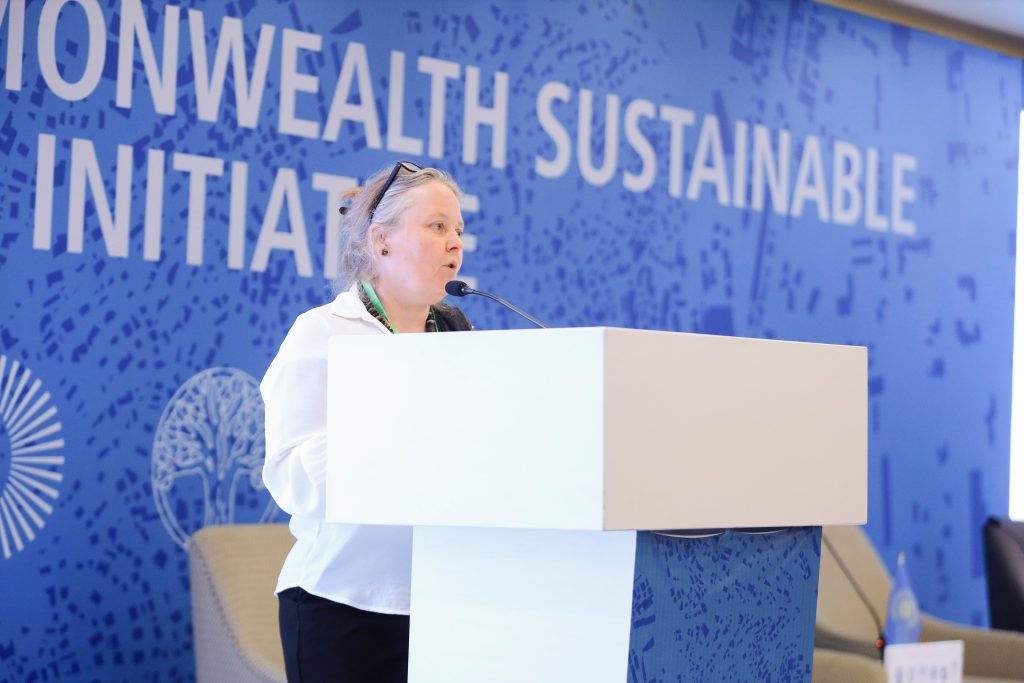
Ms Lucy Slack
Ms Lucy Slack

Ms Lucy Slack provided context on The Call to Action on Sustainable Urbanisation across the Commonwealth, highlighting the collaborative initiatives being undertaken by the CSCI partners to contribute to addressing within the Commonwealth.

Moderator / PanellistsModerator:
Mr Stephen Twigg, Secretary General, Commonwealth Parliamentary Association, UK
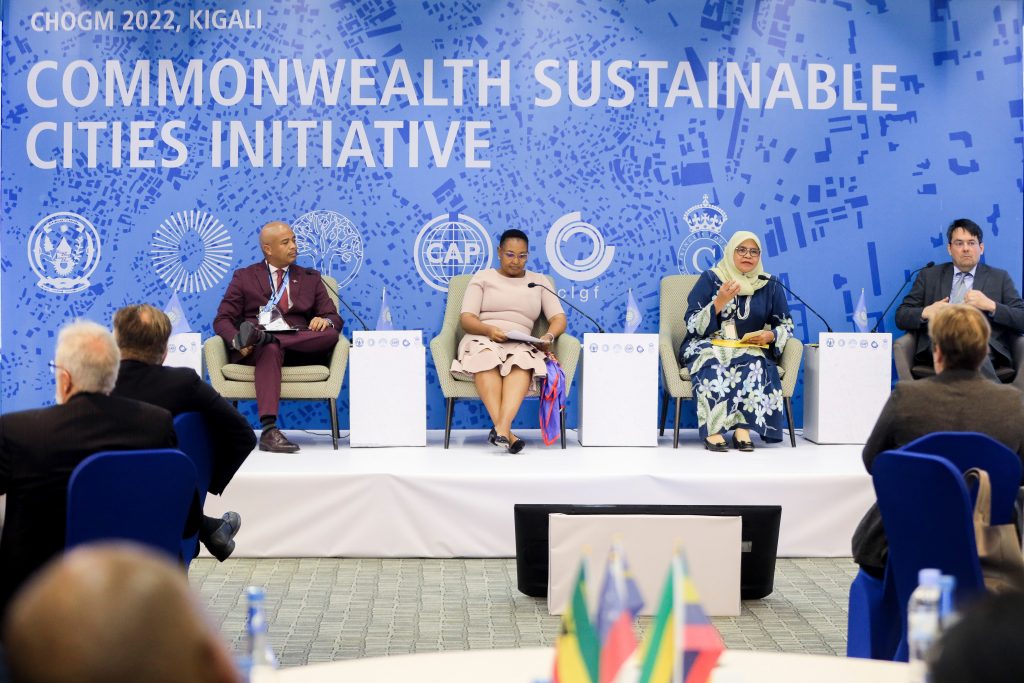
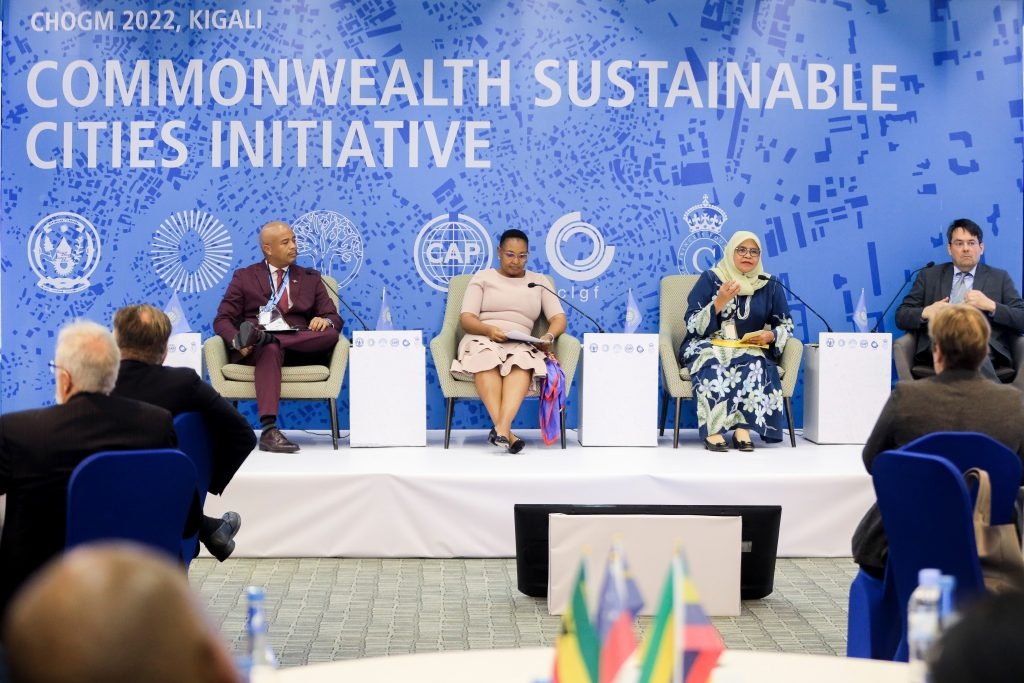
Moderator and Panellists
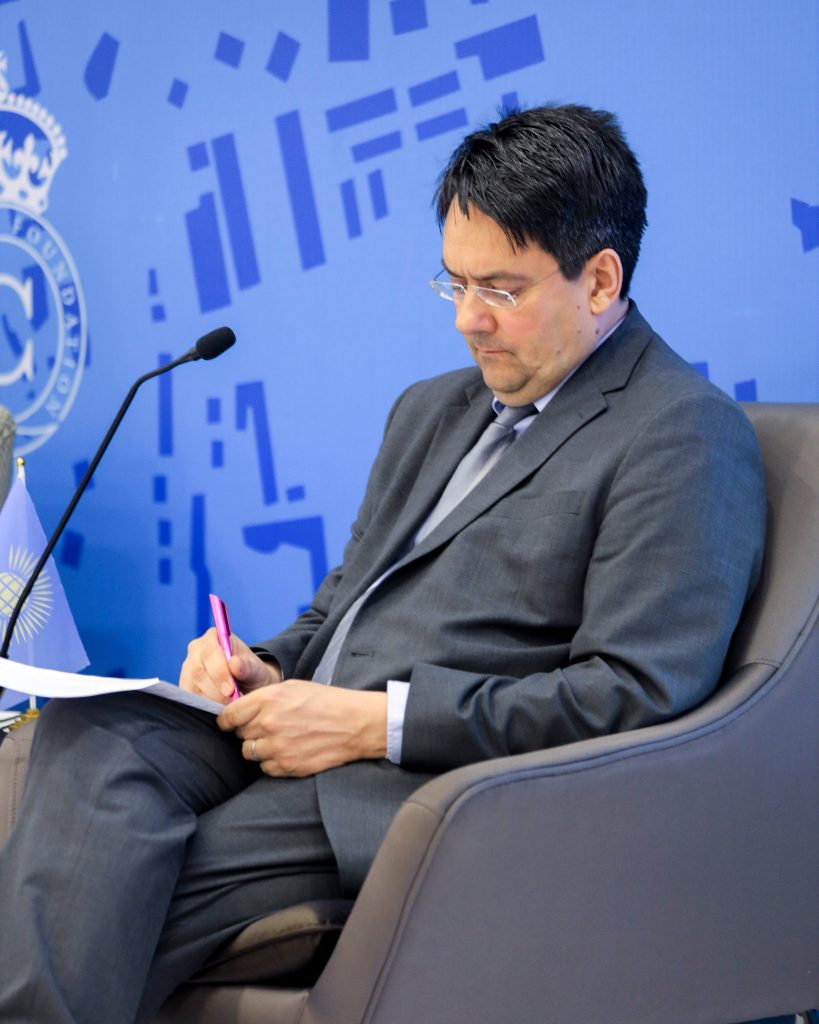
(l-r) Mr Bernard Wagner, Hon Thembisile Nkadimeng, HE Maimunah Modh Sharif and Mr Stephen Twigg

Panellists:
HE Maimunah Mohd Sharif, Executive Director, UN Habitat, Kenya
Mr Bernard Wagner, Mayor, Belize City Council, Belize
Hon Thembisile Phumelele Simelane-Nkadimeng, Deputy Minister, Ministry of Cooperative Governance & Traditional Affairs, South Africa

The following were among the panellists’ key messages:
  1. Cities are centres and drivers of economic growth and are responsible for about 70% of global energy-related greenhouse gas emissions.
  2. Commonwealth cities are confronted daily with issues around unplanned urbanisation and climate change, conflict, and scarcity of financial and non-financial capital. Together with the Covid-19 pandemic, these threaten the achievement of local, national, and global development goals, including the SDGs.
  3. The UN Habitat’s New Urban Agenda (NUA) sets out the roadmap to achieving the 169 SDG targets. Though endorsed by 193 member states, progress on implementation of the NUA is slow:
    1. Up to 2021, only 35 countries submitted NUA reports, of which only 9 were from the Commonwealth.
    2. Only 38 countries have national urban policies based on the NUA, with only 50% at the implementation stage.
  4. With an additional 1 billion residents in its cities and towns by 2050, particularly in Asia and Africa, it is critical that the Commonwealth gets urbanisation right, hence the need for the Heads of Government to commit to The Call to Action, and to acting on sustainable urbanisation.
  5. Action on sustainable urbanisation must be responsive to the needs of city dwellers, who are rightly partners in the development and implementation of plans for their space.
  6. The focus on developing plans and refining policy must not be at the expense of their relevance and sustainability. Plans and policies must be operationalised through implementation, and their resilience and adaptability must be systematically tested.
  7. Effective policy development and implementation entails a clear definition of roles and coordination between local and central governments.
  8. The goods offered and services delivered by local governments need to be prioritised, particularly in resource scarce environments.
  9. As well there is a need for fundamental change in the way that municipal government’s function, particularly greater decentralisation of authority and responsibility.
  10. Municipal leaders must be empowered to introduce innovative financial instruments and resource mobilisation to make progress on the SDG targets.
  11. Underpinning this is the need for modern municipal management legislation placing local government in the driving seat of directing and regulating sustainable urbanisation focused on low carbon solutions.
  12. In addition to more effective governance, collaborative multi-level and multi-sectoral public private partnerships must be redefined and advanced.


Mr Stephen Twigg
Mr Stephen Twigg

Mr Stephen Twigg:
Reflections coming out of the panel recognised that the world is rapidly urbanising, and the Commonwealth is set to accommodate considerable expansion of existing cities, together with the development of new cities by 2050. Hence the imperative of getting sustainable urbanisation right. As part of this, there is a vital role for devolved governments to work alongside national governments, parliaments, regional partners, and international agencies, to achieve the objectives of the sustainable urbanisation agenda and global goals such as the SDGs, supported by the Commonwealth brain trust.

Cities are centres of economic growth and development yet are challenged to finance the major investments needed to address the climate crisis, infrastructure deficits and other urgent local issues. With the ability to finance the sustainable urbanisation agenda underpinning its impact, this Panel focused on the importance of economic development and opportunity in cities, strategies to address the challenge of ensuring more sustainable and long-term access to resources for inclusive urban development and the role of private sector investment.

Moderator / PanellistsModerator:
Ms Lucy Slack, Secretary General, Commonwealth Local Government Forum, UK

Panellists:
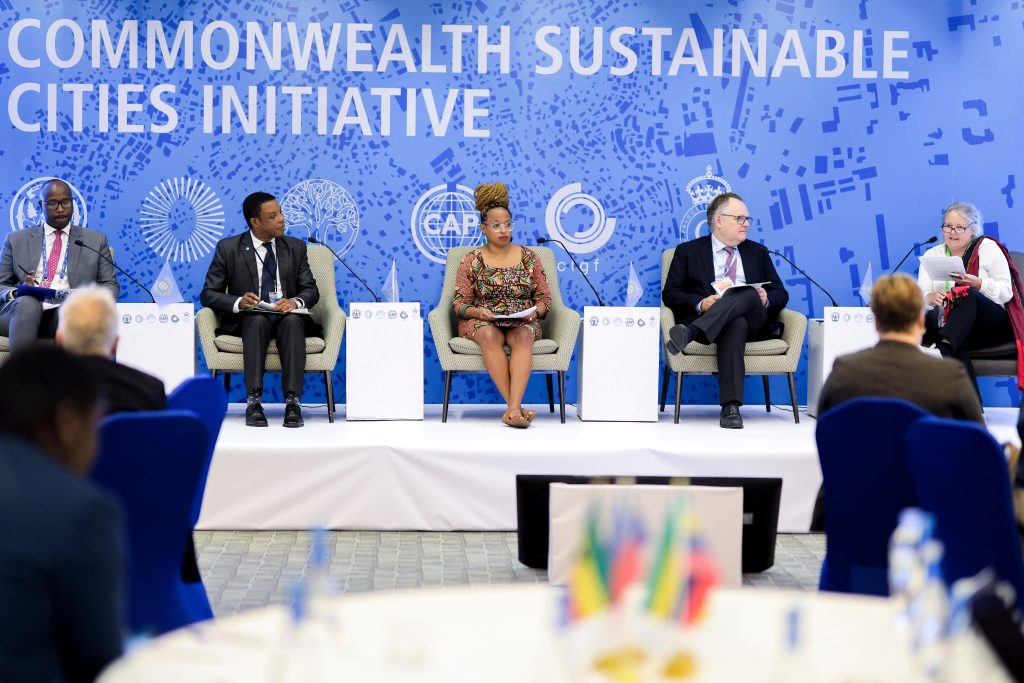
Ms Astrid Haas, Urban Economist, Uganda
Mayor Pudence Rubingisa, Mayor of Kigali, Rwanda
Mr Daniel Ogbonnaya, Country Representative Rwanda, Global Green Growth Institute
Mr Marc-André Blanchard, Executive Vice-President and Head of CDPQ Global, and Global Head of Sustainability, Canada

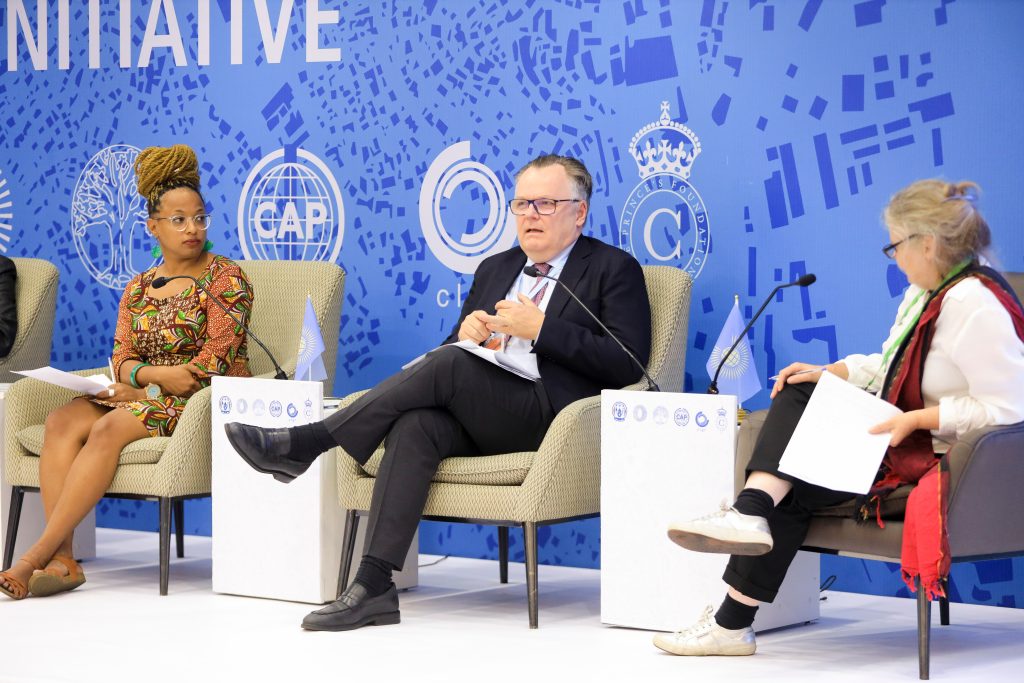
Moderator and Panellists
(l-r) Mr Pudence Rubingisa, Mr Daniel Ogbonnaya, Ms Astrid Haas, Mr Marc-André Blanchard and Ms Lucy Slack

The following were among the panellists’ key messages:
  1. The Call to Action focuses on one of the most important economic forces of our time because across both history and the globe, people have flocked to cities in search of opportunities – for jobs, for services and to improve the chances for their future generations.
  2. People moving to cities will mostly be moving to slums, which lack basic infrastructure and resilience to the challenges of climate change.
  3. People are followed by firms searching for labour, markets, infrastructure, and innovation follow people. If managed well through suitable economic and spatial policies, this coming together can be a major engine for economic growth, benefiting a wider area than just the city.
  4. Given the escalating challenges around resources, climate and environment, the potential of cities needs to be unlocked in new ways.
  5. The strategy for doing so should frame urbanisation as an opportunity which if managed well, will unlock economic and social gains, both of which are key in generating political capital.
  6. As well the ability of cities to raise revenue and access finance must be improved through administrative reforms and an enabling legislative environment which respond to the urgency of the issues and allow cities to build both credit history and capacity.
  7. Given resource constraints, action on sustainable urbanisation requires private sector finance to supplement public funding for green projects.
  8. Whilst public finances are constrained, governments can contribute land and home-grown solutions through inclusive community engagement.
  9. As there is no silver bullet for the challenges of rapid urbanisation and climate change, nor a one size fits all approach to cities, the effectiveness and robustness of action-oriented interventions must be continuously tested and reviewed.
  10. Robust planning and project design must include people as their needs drive innovation. As part of this, their immediate, medium, and long-term needs must be considered.
  11. The interlinkages between cities and other aspects of growth require effective collaboration and partnerships rather than the silo mentality way of working.
  12. Capacity building is critical to develop innovative sustainable projects which relate to the criteria of private finance institutions.
  13. Policy making, project development and financing for sustainable urbanisation must be responsive to uncertainty and consider the trade-off between short term cost and long-term benefits.
  14. The Call to Action must lead to positive livelihoods for people in urban and rural areas and give them a sense of belonging and empowerment.


Mr Marc-André Blanchard

Mr Marc-André Blanchard:
Private Finance Perspective: CDPQ
CDPQ is the second largest pension fund in Canada with assets of CAN $420bn under management and is one of the largest owners of and investors in renewables in the world. Institutional investors like CDPQ are 900 times bigger than all multilateral development banks together. CDPQ believes that capital should be better aligned with sustainable development. In partnership with Mitsubishi and the Green Climate Fund, it is developing a platform worth $1.2bn to provide lending facilities for infrastructure in a mix of 25 lower and lower middle-income countries. The countries and projects are being pulled together to reduce risk. The projects range from $5m to $75m, with a maximum of $100m per country, as a loan for up to 15 years. The platform is niching adaptation infrastructure (70%) and mitigation (30%) at the city level.

This is a new and complex venture, and it requires strong and rapid partnership development with the project countries, as the intention is to deploy funds in 2023. Hence projects which meet the criteria, are approved at local municipality level and are capable of implementation need to be developed quickly. Innovation in private finance is there and risk and partnership are being looked at differently so there is an opportunity to synergise and advance the objectives of sustainable urbanisation.
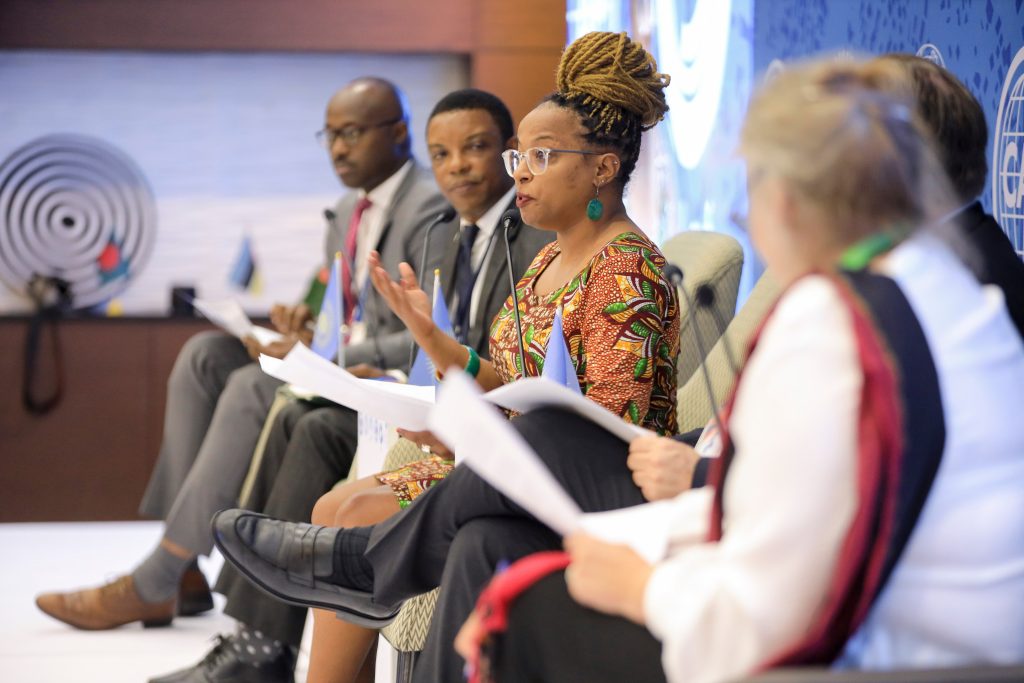
Ms Astrid Haas
Ms Astrid Haas

Ms Astrid Haas:
Reflections coming out of the panel acknowledged that whilst cities are centres of opportunity, there is a need to change our approach to take account of where we find ourselves and the imperative that we have. Cities are interlinked with people, and the Call to Action needs to factor in substantial financial commitment to ensure that sustainability is considered across the short to long term continuum, as well as the balance between innovation and home-grown solutions. Critically, there is a need to work together to bridge the gap between the understanding and expectations between the private sector and local government, whilst recognising the diversity of the Commonwealth and the opportunity that holds.

Vote of Thanks / Closing RemarksVote of Thanks:
Mr Peter Oborn, Senior Vice President, Commonwealth Association of Architects, UK

Closing Remarks:
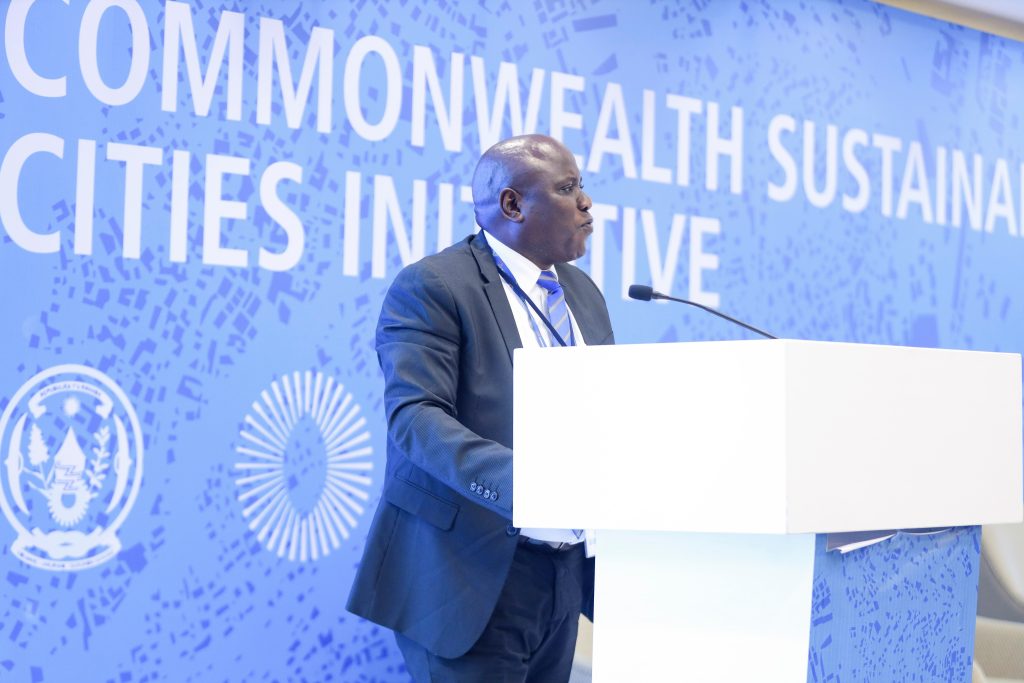
Cllr Rev Mpho Moruakgomo, Chairperson, Commonwealth Local Government Forum, Botswana
Mr Abhik Sen, Head of Innovation and Partnerships, Commonwealth Secretariat

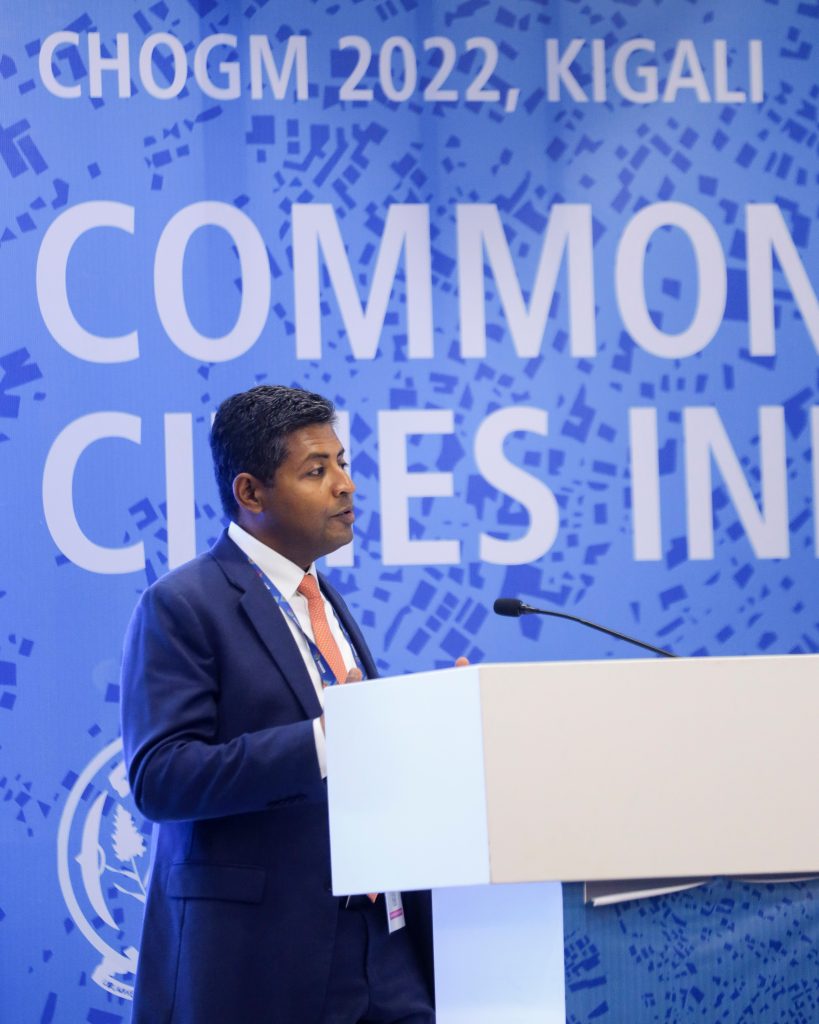
Cllr Rev Mpho Moruakgomo

Cllr Rev Mpho Moruakgomo:
Cllr Rev Mpho MW Moruakgomo emphasised the centrality of local leaders and people in ensuring effective people-led development, and the importance of collaborative working across sectors and disciplines to achieving the SDGs. This must be supported by leadership on action on sustainable urbanisation.

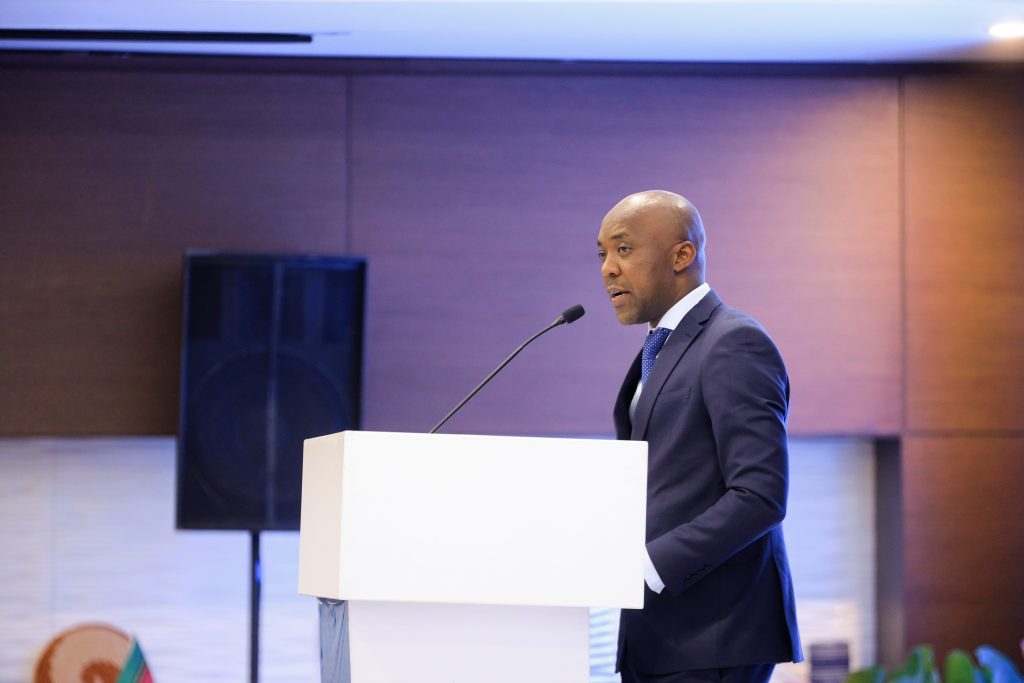
Mr Abhik Sen
Mr Abhik Sen

Mr Abhik Sen:
In his remarks, Mr Abhik Sen stressed the need for sustained advocacy to drive change, and the imperative for the sustainable urbanisation agenda to become a priority for the Commonwealth. As part of this, there is a need for systems thinking to effectively respond to the interlinkages in the urban realm, and the Commonwealth is well poised to capitalise on networks, human capital, and knowledge sharing activities. Despite the challenges, there is an opportunity to redirect the trajectory, which requires citizens, state, and society to come together to make it happen. The time to act is now.

Acknowledgements

The CSCI partners thank all those who supported our activities at CHOGM, including moderators, panellists, participants and particularly those supporting logistics.

All images and videos are credited to: Event & Media Services Ltd, Kigali, Rwanda

Event Details

Date:

June 22nd 20222

Time:

All day

Location:

Rwanda