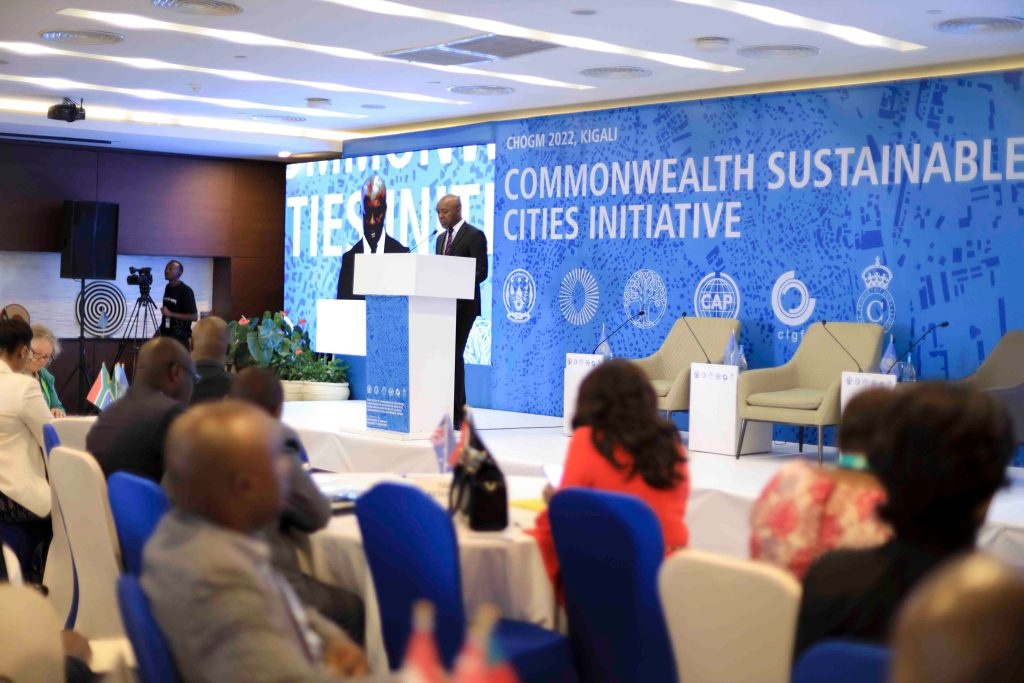
This official side event provided an opportunity to convene key Commonwealth stakeholders, share good practice and present the Call to Action and explore opportunities to mobilise the Commonwealth to identify priorities and actions to advance the initiative.
It directly contributed to the overarching CHOGM theme of Delivering a Common Future: Connecting, Innovating, Transforming and complemented the work undertaken in other forums.
People are at the heart of the Commonwealth agenda and this event focused on approaches that ensure citizens are at the heart of making cities inclusive, safe, resilient and sustainable.
Recognising that 60% of the Commonwealth population is under 30, there was a focus on integrating the voices of young leaders and professionals into the dialogue.
This interactive programme provided a natural segue into the closing segment of the business, organised by the Rwanda Development Board and supported by the Commonwealth Enterprise & Investment Council.
09.00 Welcome and Keynote Address
| Welcome | Ms Eleanor Mohammed, President, Commonwealth Association of Planners |
| Keynote Address | Hon Dr Ernest Nsabimana, Minister, Rwanda Ministry of Infrastructure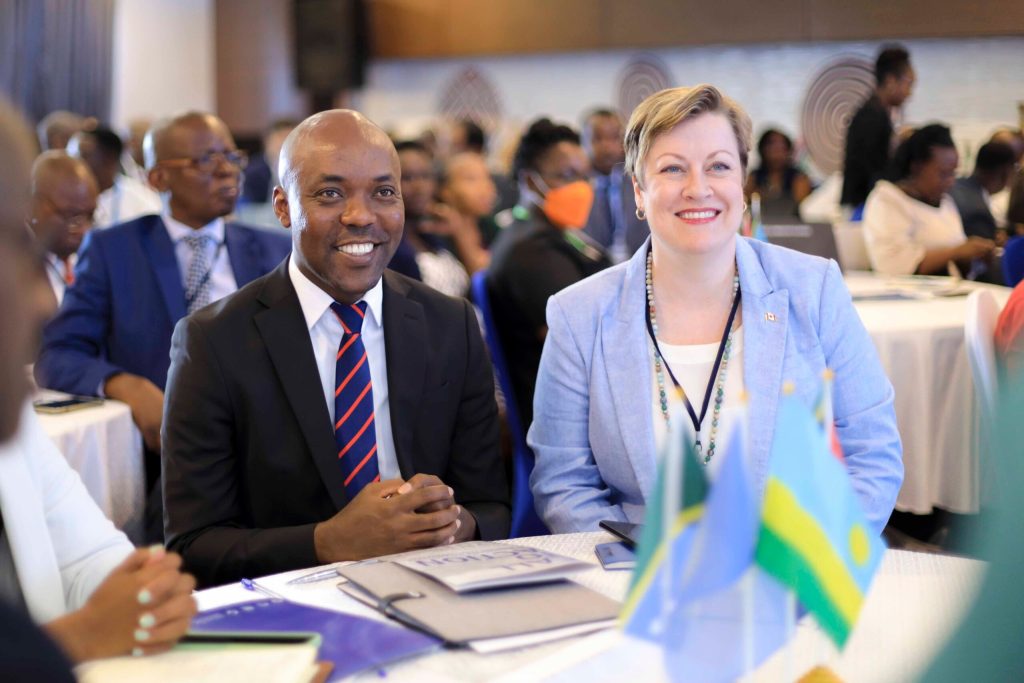 The Hon Dr Ernest Nsabimana welcomed the opportunity of being physically together to collaborate on the common goal of delivering the SDGs and New Urban Agenda. Touching on the need for decentralisation, citizen participation in decision making, financing, private sector involvement, partnerships, climate change mitigation and urban resilience, he provided the context and framework for the event. He emphasised that “Rwanda is keen on playing its role within the Commonwealth to help ensure a more comprehensive and coordinated approach to sustainable urban development.” 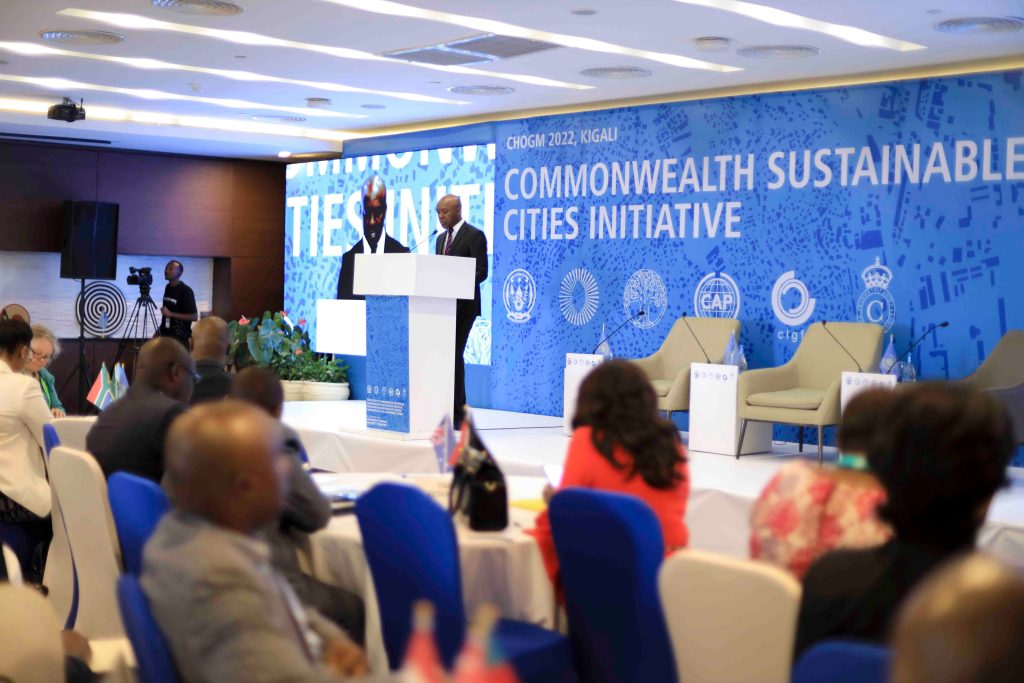 The recording of the Opening Remarks and Background on the Call to Action follows: |
09.15 Background to the Call to Action
| Presenter | Ms Lucy Slack, Secretary General, Commonwealth Local Government Forum
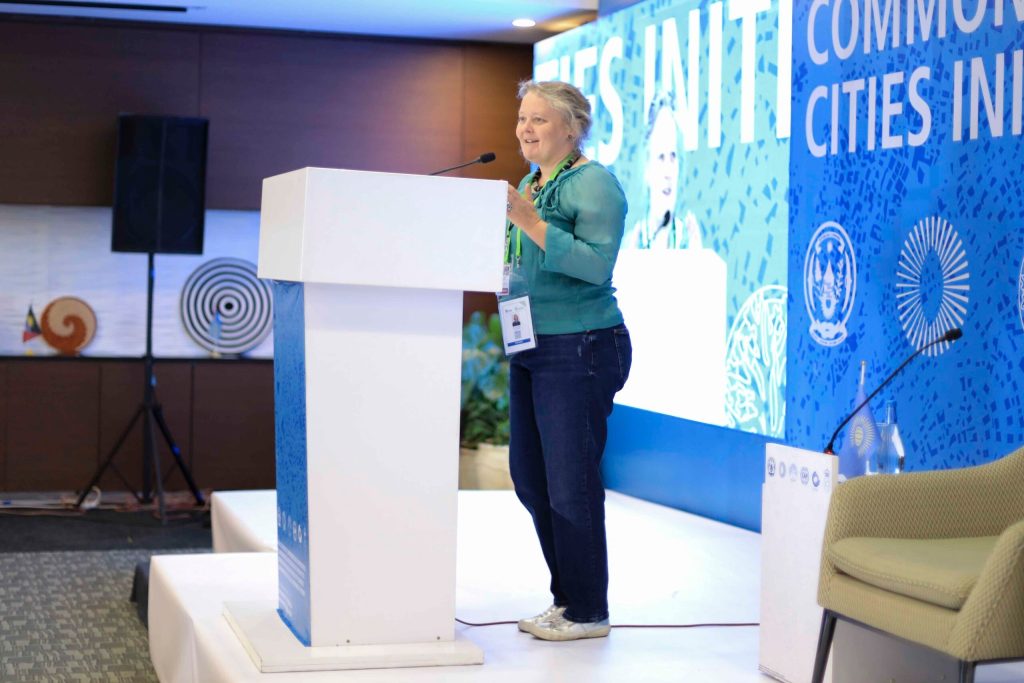 Ms Lucy Slack in sharing further context on |
09.30 Panel 1: Leaving no-one behind (‘People’)
| Moderator | Ms Astrid Haas, Urban Economist, Uganda |
| Case Study | Green City Kigali, Ms Teddy Mugabo, Chief Executive Officer, Fonerwa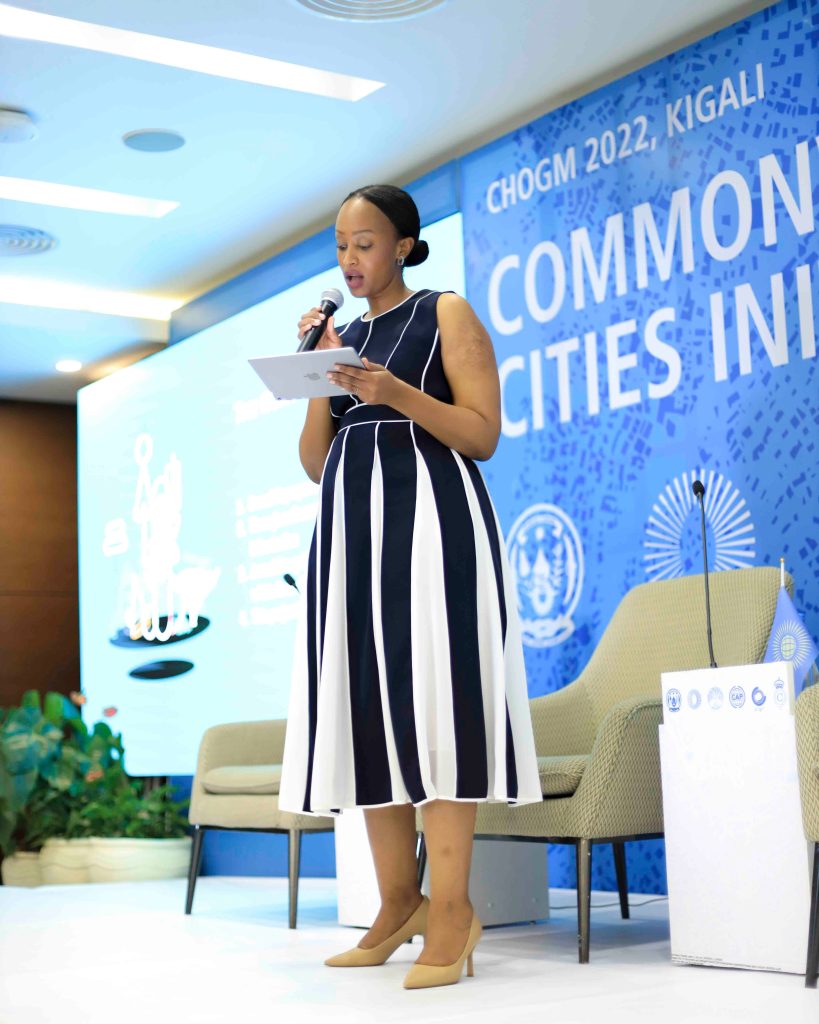 Green City Kigali website |
| Panellists | Dr Beth Chitekwe Biti, Director of Secretariat, Slum Dwellers International, Zimbabwe Mr Joakim Nyarangi, President, Kenyan Institute of Planners, Kenya Mr Harjeet Singh, Climate Action Network, India Ms Gertrude Rose Gamwera Aijuka, Secretary General, East African Local Government Association 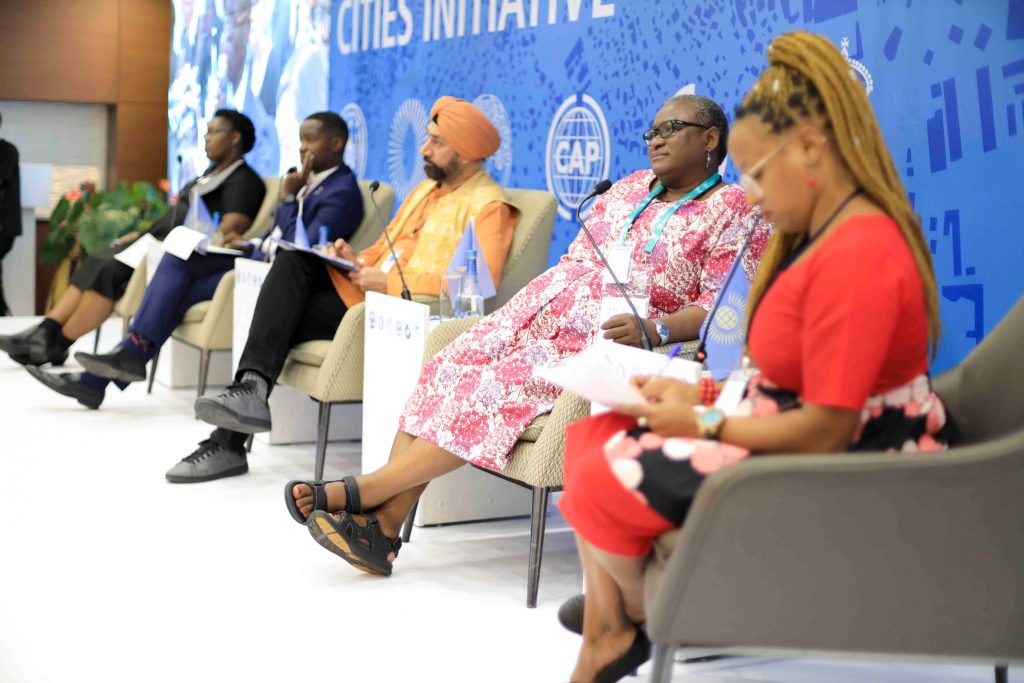 The following were among the panellists’ key messages:
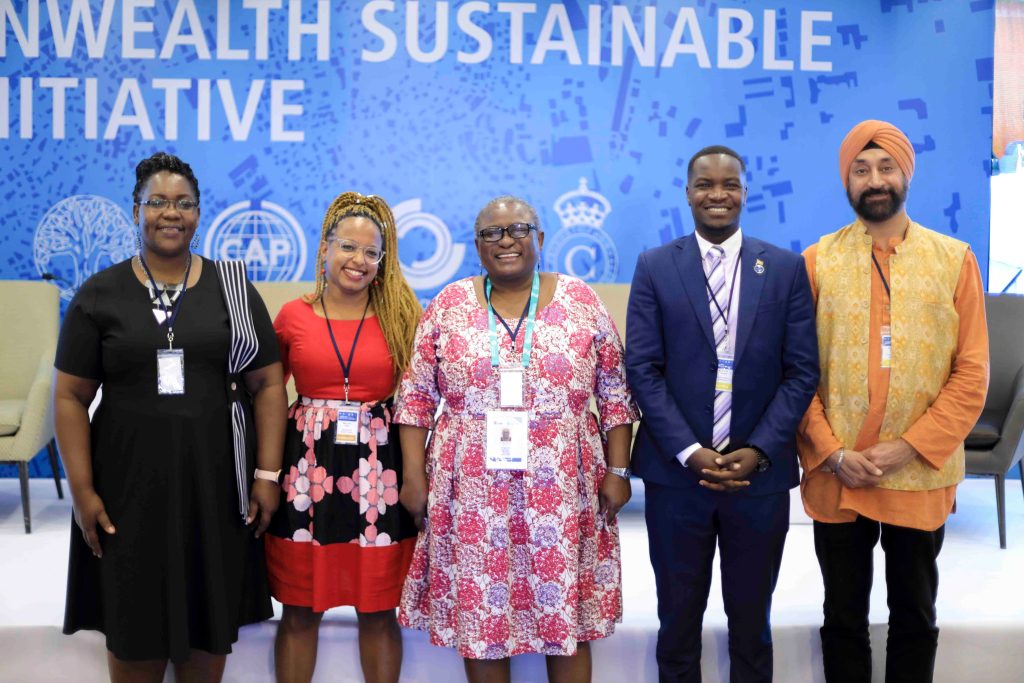 In concluding, Astrid Haas reflected that there is a need to do things differently because it has not been done well for the last 70 years and most have been left behind. With two thirds of cities on the African continent still to be built, there is a moral imperative to go forward in a different way. Focussing solely on the big changes that are needed can lead to inaction, hence the impetus for concrete action that can be implemented in the now. The effective implementation of projects such as Green City Kigali will require strong leadership that gives voice to the voiceless, and who need to be better served by cities. As well, leadership needs to act, implement, and scale. This can be done through urban plans which take a bottom-up approach. Most importantly, people and communities within cities need to be seen as the core of cities, as resources within cities and not as ‘the challenge.’ As part of this, their diversity must be embraced as they are not just a homogeneous group, so that everyone can move ahead together in The Call to Action for Sustainable Urbanisation. |
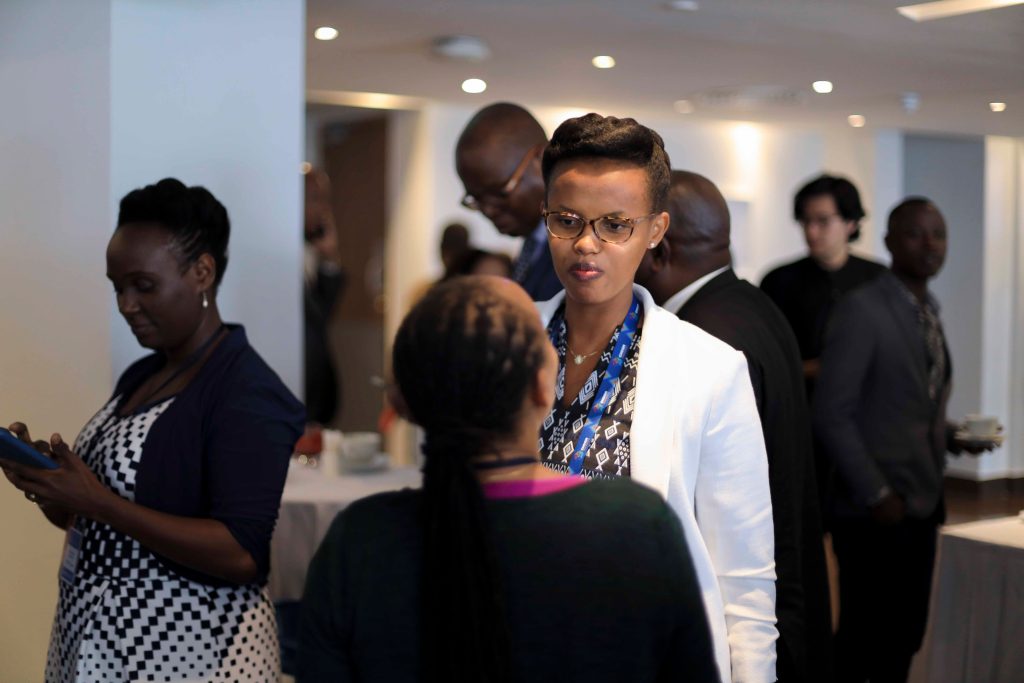
10.45 Coffee and Networking
 | |
 |
11.15 Panel 2: Accelerating Climate Action ('Planet')
Responsible for 70% of global carbon emissions, cities are the biggest drivers of climate change. At the same time, cities and their people are on the frontline of the impacts of and losses from climate change and will be for years to come. Hence there is an urgent need to not only limit emissions, but also to build climate resilient cities. Given the scale of the challenge, Panel 2 considered the potential for Commonwealth partners to work collaboratively to accelerate climate action and advance resilience within cities, whilst profiling actions and initiatives to meet critical needs.
| Moderator | Ms Hellen Njoki Wanjohi Opil, Resilience African Cities Lead, UNFCCC Climate Champions, Kenya |
| Panellists | Ms Elizabeth Chege, Chair, World Green Buildings Council, Africa Region Prof Peter Clegg, Senior Partner, Feilden Clegg Bradley Studios, UK Prof Ian Rowlands, Associate Vice-President, International, University of Waterloo, Canada Dr Lucy Stevens, Acting Director, Influence & Impact, Practical Action, UK 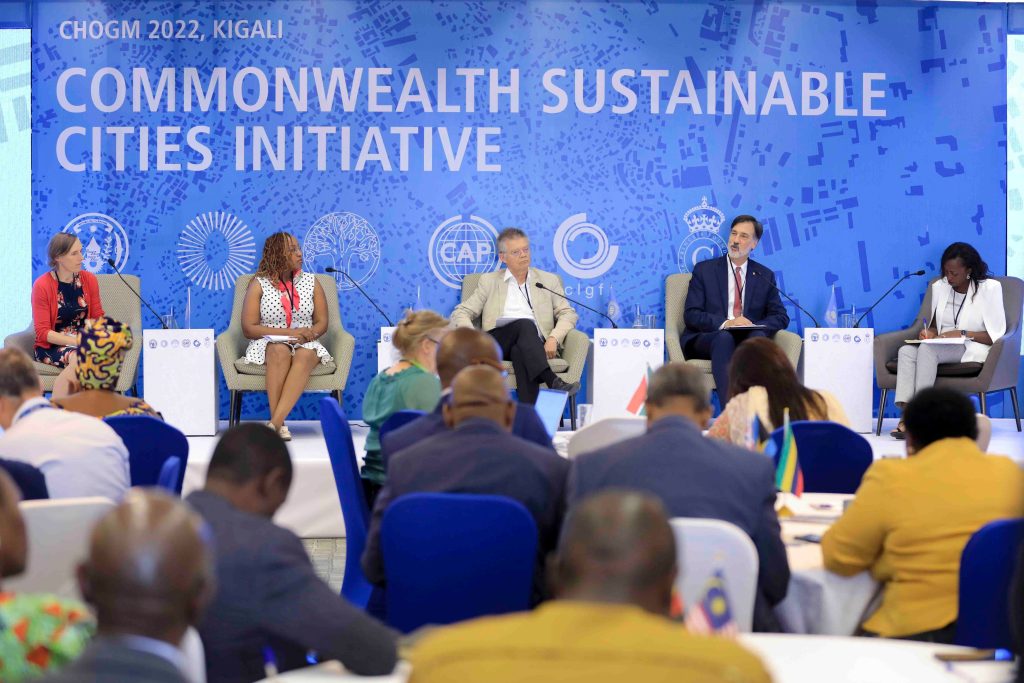 The following were among the panellists’ key messages:
Asked what was most needed to accelerate climate action, panellists responded as follows:
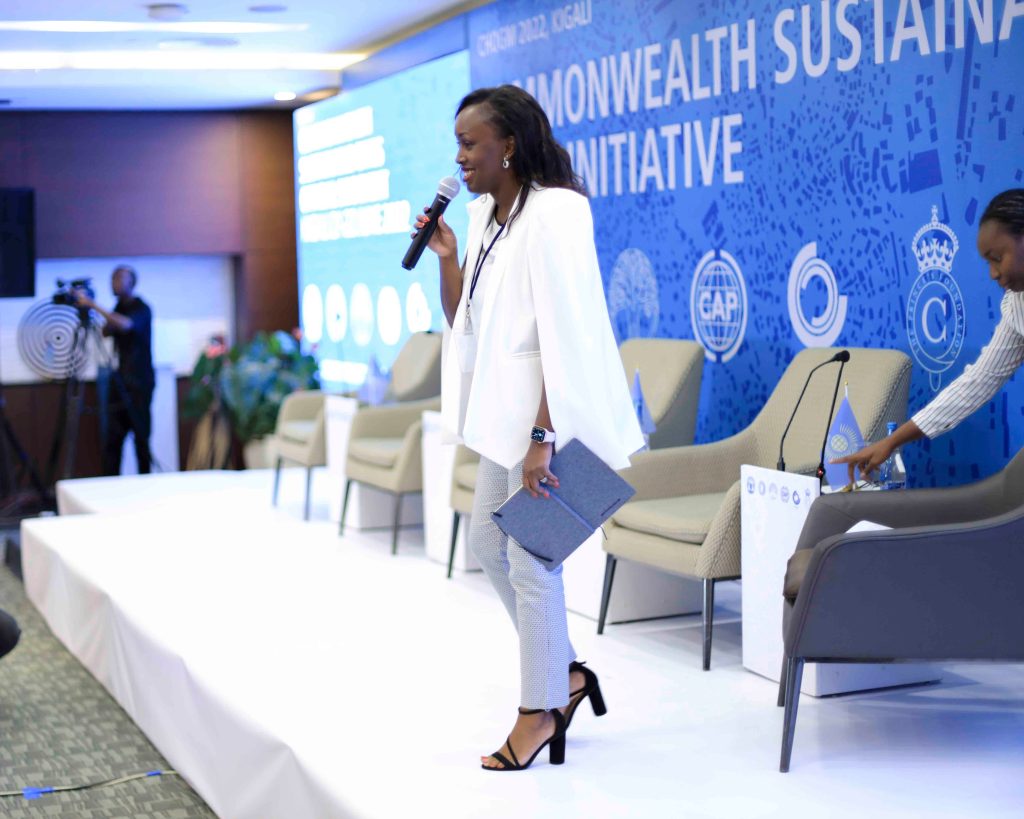 Hellen Njoki Wanjohi Opil concluded the panel with reflections. Vulnerable communities can thrive despite the climate emergency and cities can and must be part of the solution. There is the need to act faster and scale up together. Every aspect of planning must intentionally include those who are being planned for, so action serves those on the ground. Sharing best practice is beneficial as it allows for cross pollination of ideas. Climate action mainstreaming across sectors is needed. Discussion on the issues needs to shift to a focus on action, showing what is happening and pushing for the scaling up of what is good. Finance for climate action is inadequate in both the global north and south, and public finance alone is not enough. The private sector has a crucial role to play in supplementing finance, supporting implementation, and in providing technical assistance e.g., to develop bankable projects. The Commonwealth is in a unique position to enable knowledge transfer in all directions through collaborative endeavours. |
12.00 Urban Water Resilience Launch
| Panellists | Mr Aklilu Fikresilassie, Director of Thriving Resilient Cities at WRI Africa Dr Merard Mpabwanamaguru, Vice Mayor in Charge of Urbanisation and Infrastructure, City of Kigali, Rwanda Mr Janvier Ramuli, Mayor of Musanze District, Rwanda
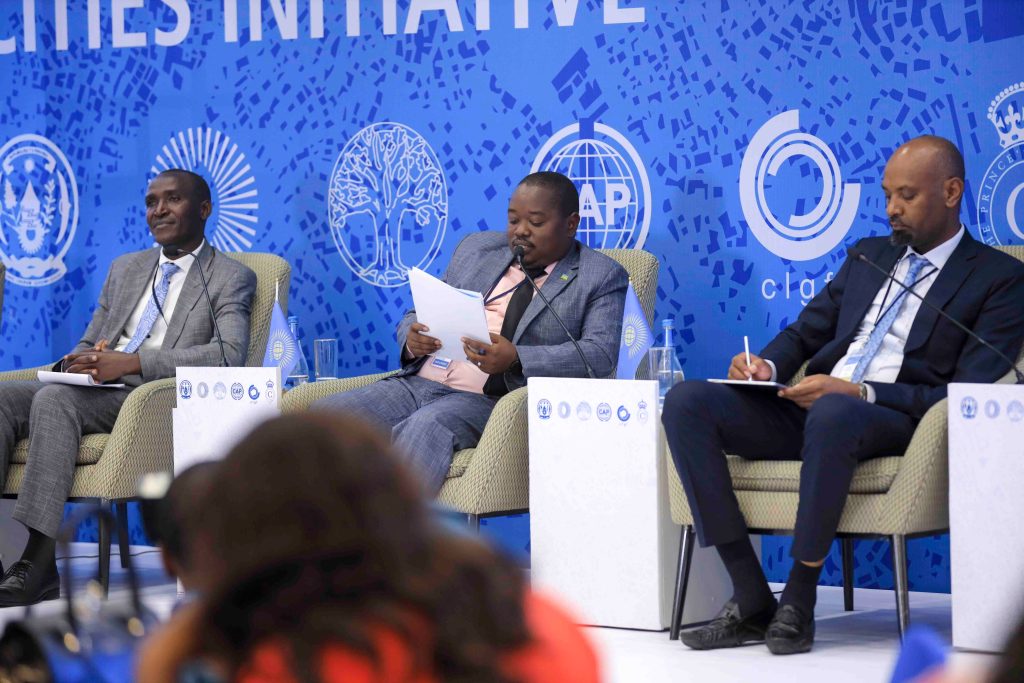 African cities are projected to grow by over nine hundred million people by 2050, with a 300% increase in water demand by 2030. The sheer scale of the challenge calls for an innovative approach to achieving urban water resilience, based on an understanding of city regional water and climate risks, and prioritising ‘green and grey’ investments that can build resilience, particularly for the most vulnerable. Together with partners, WRI is helping cities to move from just water supply, towards water sensitive and resilient cities. Currently active in six cities, the initiative is working at bringing the various actors together to support better planning, identification of key action areas, with funding for projects through the |
12.25 Discussion and Summing-up
| Moderator | Mr Richard Grubb, Head of UN, Commonwealth and Strategic Partnerships, ACU, UK |
| Discussants | Ms Astrid Haas, Urban Economist, Uganda Ms Hellen Njoki Wanjohi Opil, Resilience African Cities Lead, UNFCCC Climate Champions 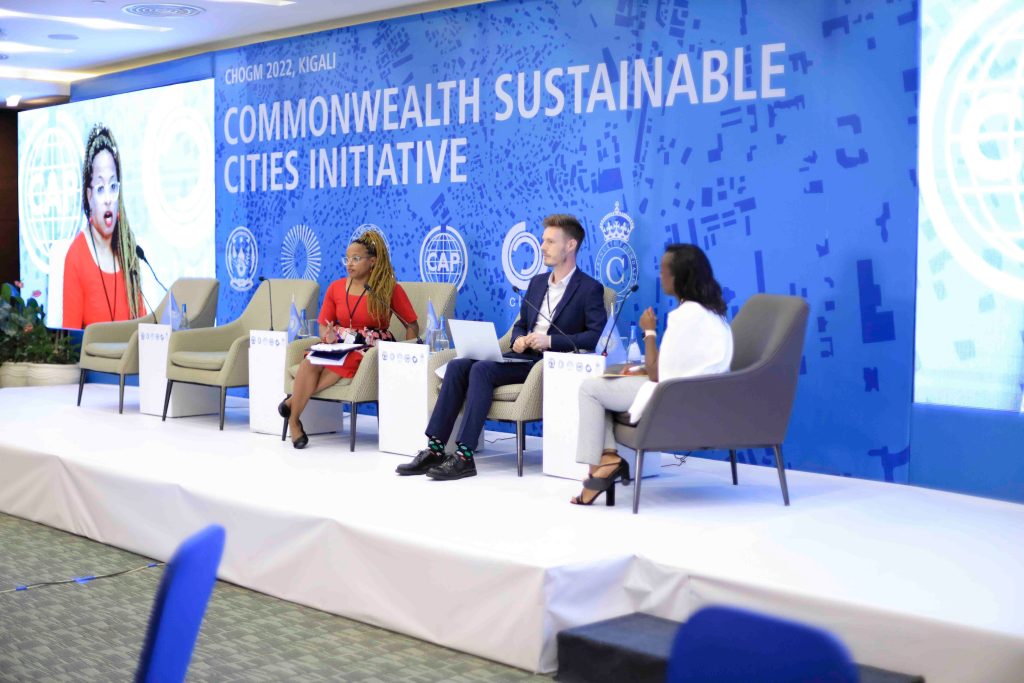 |
14.00 Panel 3: Closing the Gaps: Data, Evidence and Policy
The effective planning and management of rapidly urbanising cities and human settlements requires sound, evidence-based policies underpinned by good governance and informed by reliable data. As well, data is needed to prioritise project interventions on account of resource constraints. However, many cities across the Commonwealth do not have access to good data for policy making, and to inform interventions that address the real needs and priorities of people. In response to the issues, Panel 3 considered how Commonwealth partners can work together to collect data, share good practice, use new technology, and develop scalable solutions to better support city leadership and the role of universities and other partners, whilst profiling actions and initiatives to meet these critical needs.
| Moderator | Dr Shipra Narang Suri, Chief Urban Practices Branch, UN Habitat, Kenya |
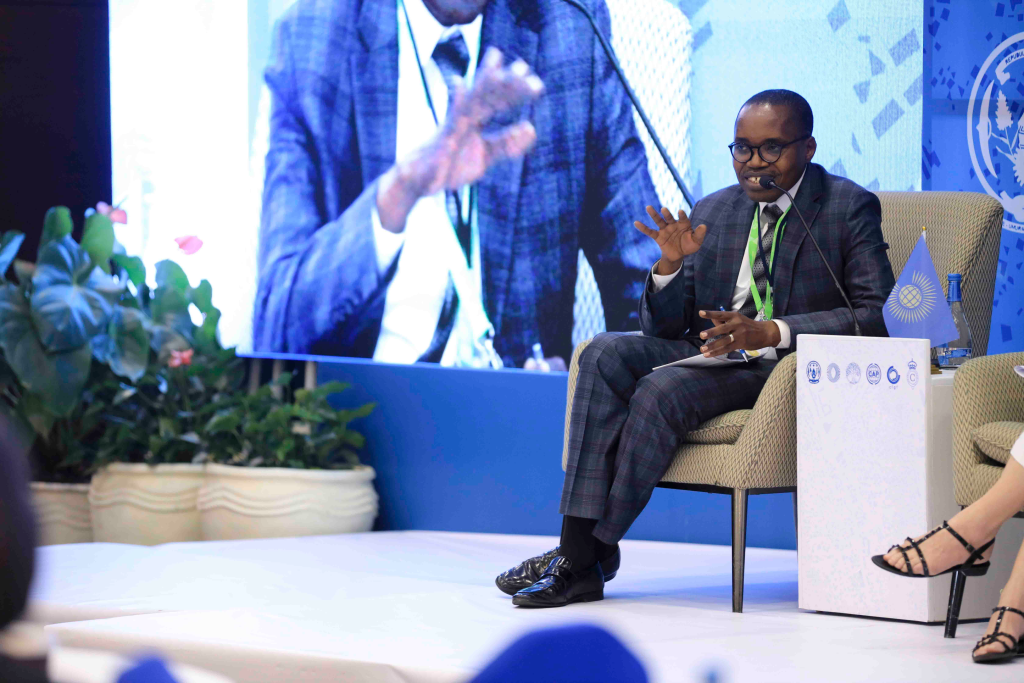
| Panellists | Mr Shah Rukh, Urban Economist, International Growth Centre, Pakistan Mr Matthew Goodman, Head of External Affairs, Ordnance Survey, UK Mr Ladislas Ngendahimana, Secretary General, Rwanda Association of Local Government Authorities, Rwanda Ms Kelley Moore, Secretary General, Commonwealth Association of Planners, Canada 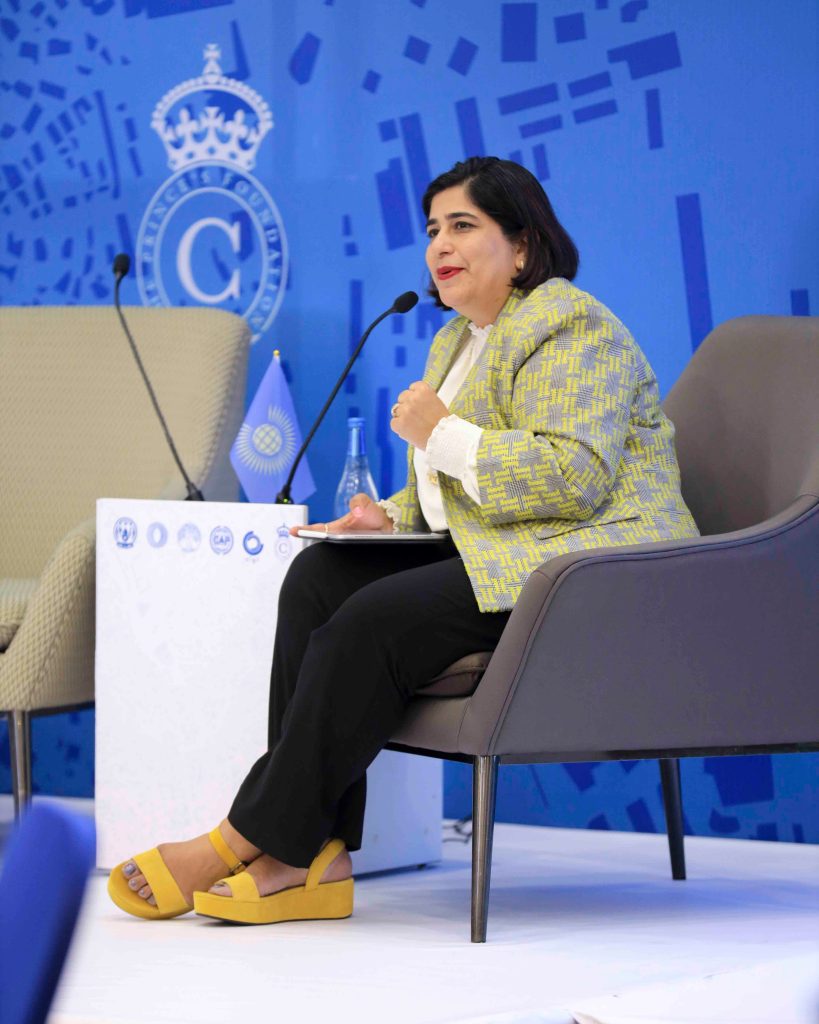 The following were among the panellists’ key messages:
 Lusaka Mapping Pilot 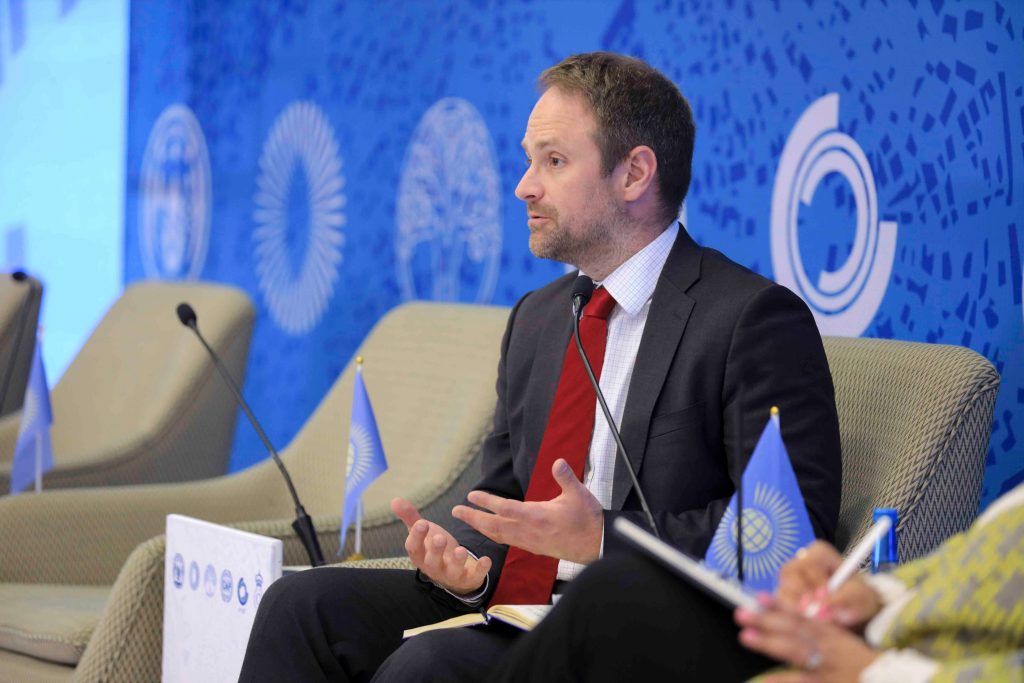 Survey of the Built Environment Professions in the Commonwealth
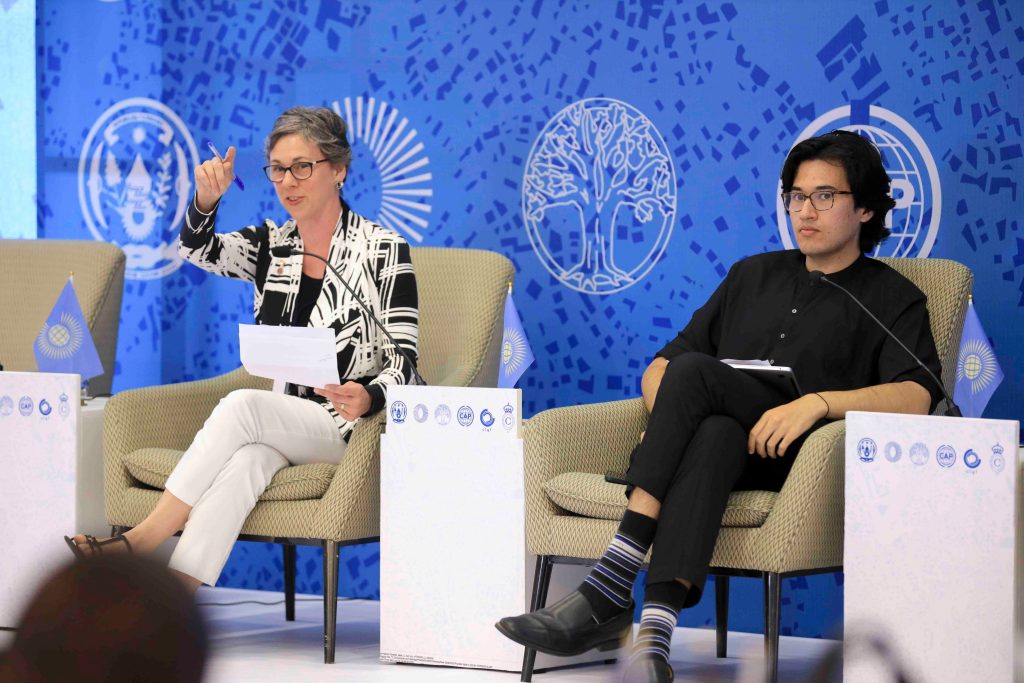 Shipra Narang Suri concluded with the following reflections. Whilst necessary, data is but one piece of the policy puzzle. Data itself needs to be relevant, current, credible, and fit for purpose. It needs to be findable, accessible, interoperable, and reusable, hence the question of whose data is it is important. As well, data is not static and needs to be maintained, so who does this is important as it has implications for the distribution of power. Standards and agreements on fair use of data would be beneficial and could be considered across the Commonwealth. Critically, there is a need for capacity building in the use of data and related ethics as inputs into policy will directly influence their quality, implementability and impact. |
15.45 Panel 4: Closing the Gaps: Addressing the Capacity Gap
Progress on sustainable urbanisation requires people with the appropriate skills. However, surveys and the consultations that led to The Call to Action highlight a critical lack of professional and leadership capacity in many of the Commonwealth countries which are urbanising most rapidly and are among the most vulnerable to climate change impacts, especially secondary or intermediary cities. Given the scale of the challenge, Panel 4 reflected on the ways in which Commonwealth partners can come together to address the capacity gap in innovative ways, whilst focusing on the changes and partnerships required to improve the ability of cities to deliver.
| Moderator | Mr Richard Grubb, Association of Commonwealth Universities, UK |
| Panellists | Ms Raphaelle Vignol, Capacity Development and Training Unit, UN Habitat, Kenya Mr Allan Pollard Jr, Deputy Mayor, Belize City Council, Belize Ms Haja Halimah Lukay, Development & Planning Officer, Bo City Council, Sierra Leone Madam Catherine Nfor, Technical Advisor, Ministry of Decentralization and Local Development, Cameroon 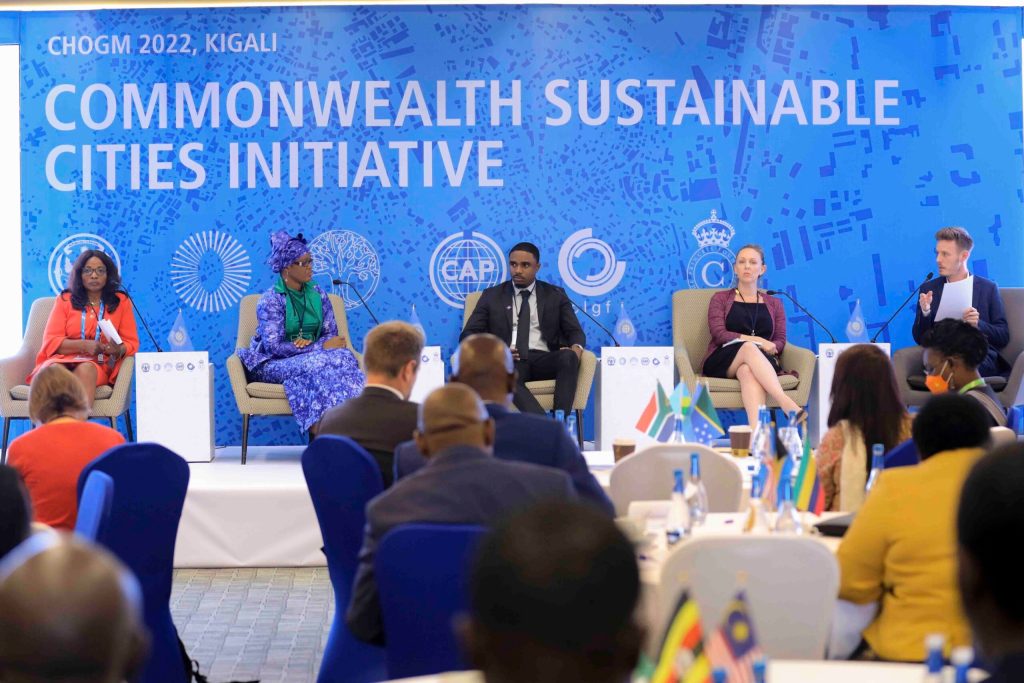 The following were among the panellists’ key messages:
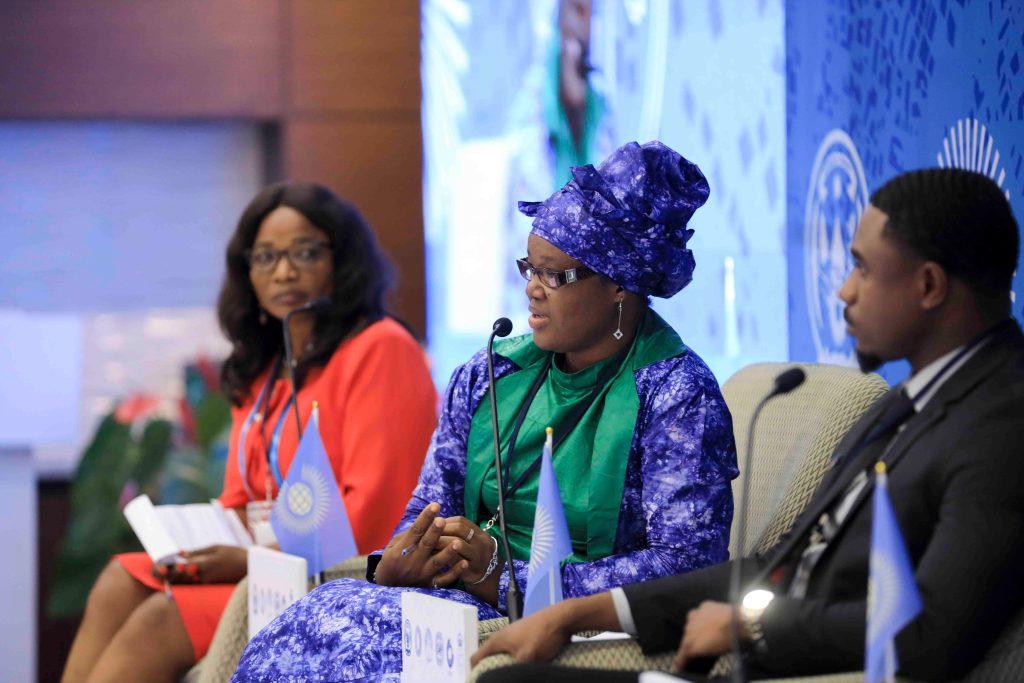 Rapid Planning Toolkit, Pilot Project in Bo, Sierra Leone 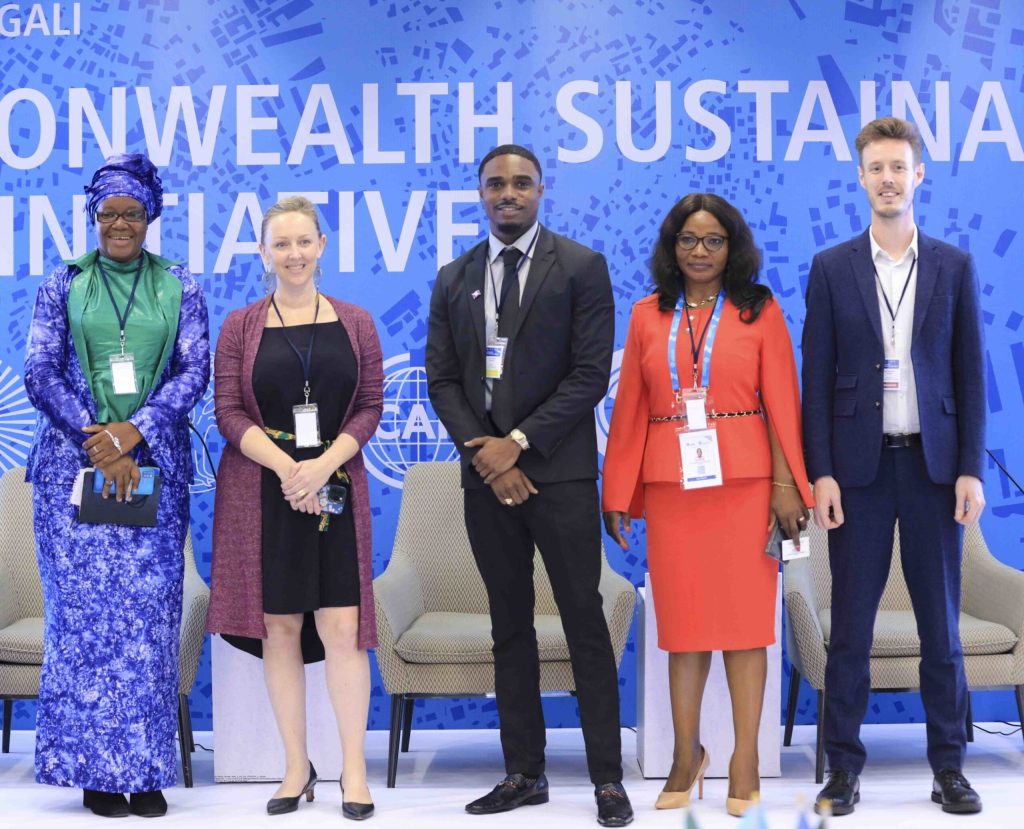 Richard Grubb concluded the panel with reflections. Given the speed of urbanisation, there is an urgent need for practical solutions to address capacity gaps across the Commonwealth, given the ever-changing playing field. To be effective capacity building must be customised and localised. Digital technology provides game changing opportunities to reach more people in innovative ways, whilst supporting continuous professional development and lifelong learning as part of larger scale programmes that target the right beneficiaries and develop more toolkits for rapid implementation. Decentralisation that is embedded in law and gives local governments responsibility for policy development and clarity over financial autonomy is an important element of empowering local councils and communities. As well, networking, collaboration, and inclusivity allows for sharing of best practice and practical examples of sustainability which can be replicated and scaled across the Commonwealth. This goes to the heart of The Call to Action on Sustainable Urbanisation. |
17.00 CYSU Network Introduction
| Moderator | Ms Alice Preston-Jones, Senior Programme Manager, The Prince's Foundation, UK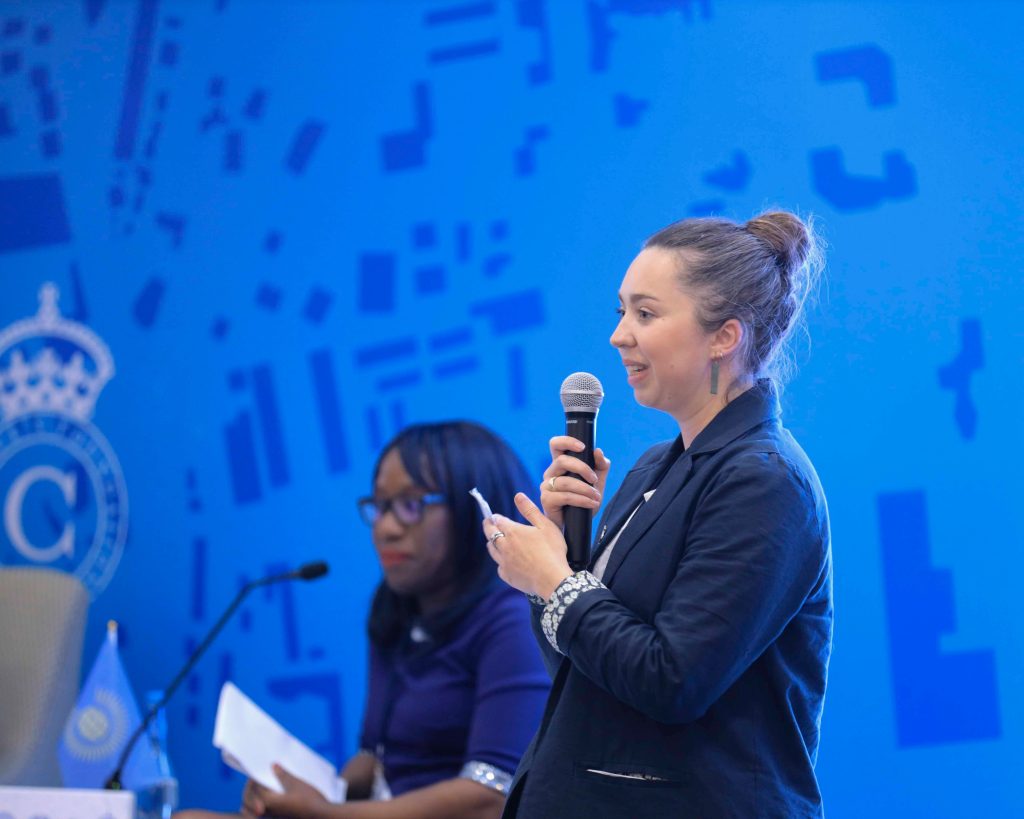 The Commonwealth Youth For Sustainable Urbanisation (CYSU) network was officially launched at the Commonwealth Youth Forum in Kigali on Sunday 19 June. The group comprises a multi-disciplinary group of young professionals (18-35) with an interest in Sustainable Urbanisation, and has already attracted over 400 members. Its interim steering committee was introduced at the end of the Sustainable Urbanisation side event and was warmly received by the audience. 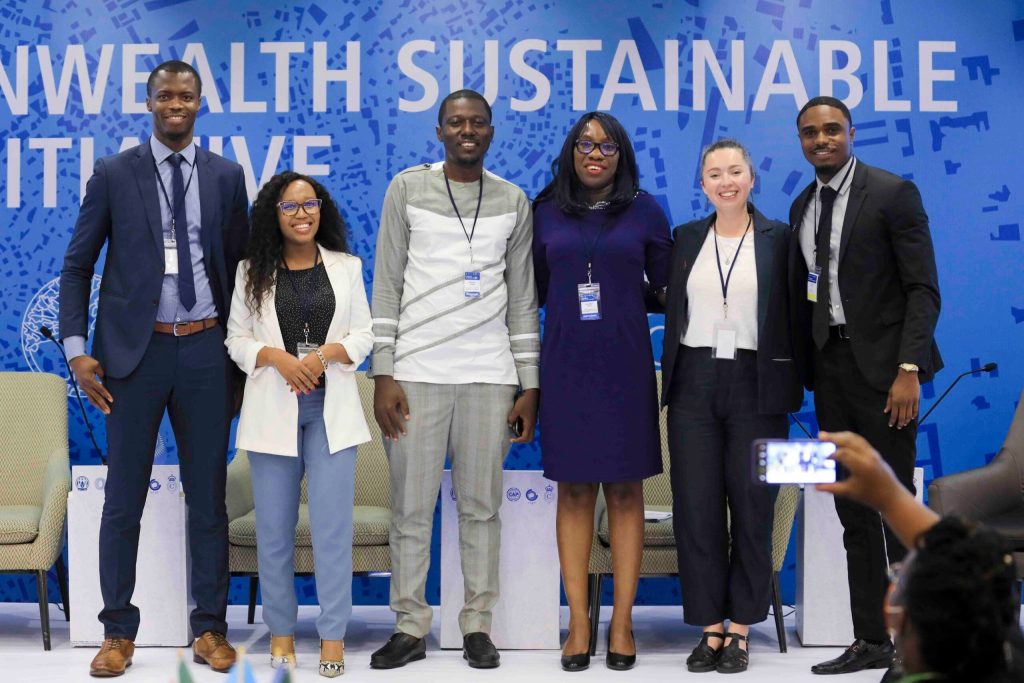 |
17.15 Summing-up and Close of Day 1
| Moderator | Mr Peter Oborn, Senior Vice President, Commonwealth Association of Architects, UK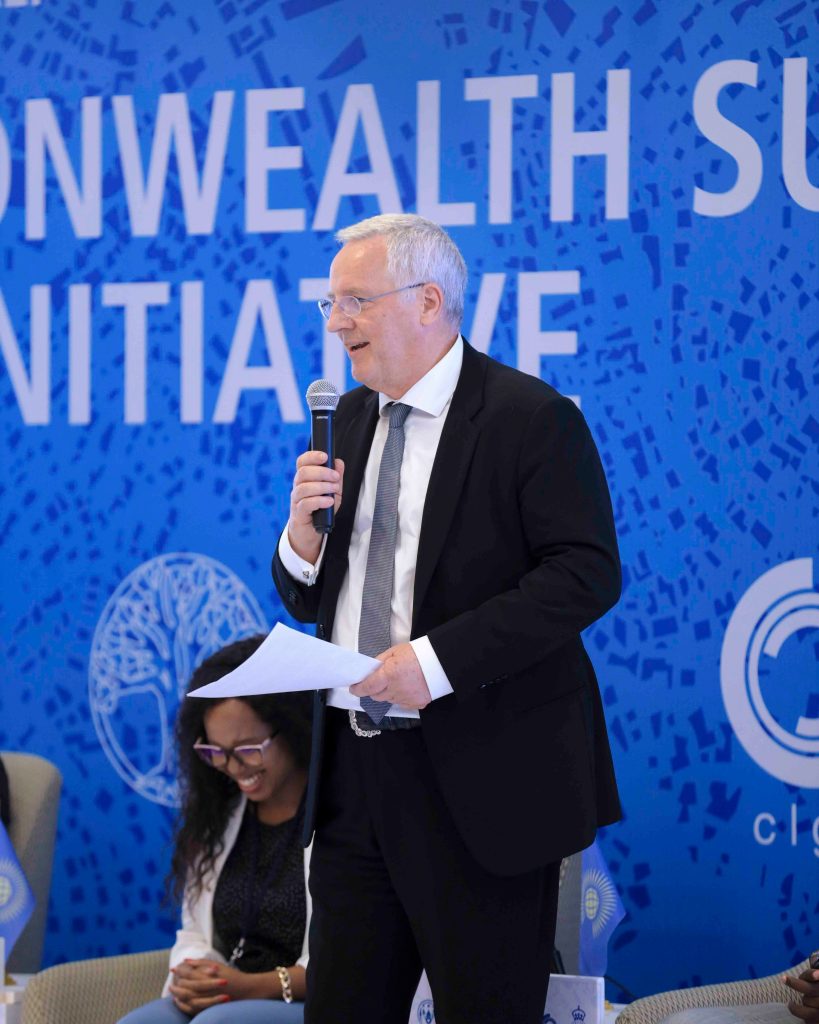 In his closing remarks, Mr Peter Oborn acknowledged the many takeaways from the day and reiterated the principles underpinning The Call to Action:
This requires collective leadership from Heads of Government, together with academia, the built environment professions, local government and communities, empowered with the authority and resources to work towards sustainable urbanisation, ensuring that everyone moves ahead together. |
Acknowledgements
The CSCI partners thank all those who supported our activities at CHOGM, including moderators, panellists, participants, and particularly those supporting logistics.
All Images and videos are credited to: Event & Media Services Ltd, Kigali, Rwanda